Warm Winters Bring Badly Timed Buds
Published on January 28, 2026
By Andrew Scott, Horticulturist, The Gardens on Spring Creek
It should come as no surprise when I say this winter has been bizarre. We enjoyed a brown Christmas, the polar plunge at Horsetooth Reservoir was rescheduled on account of temperatures in the 60s in early January, and plants have been acting odd. As climates around the world and along the Front Range continue to change, plants are getting mixed signals on what they’re supposed to be doing.
If you hadn’t noticed, plants don’t keep personal calendars. Rather, they use signals like the length of the day, precipitation, and temperature to know when to be dormant and when to be growing. If these signals come at the wrong time, this can leave plants out-of-sync with the calendar. When this happens, plants end up wasting energy, pushing bud and leaf growth when there isn’t adequate water to support new tissue, or flowering when there aren’t insect pollinators around. At the Gardens on Spring Creek, we’ve been concerned and interested by this mismatch in phenology, or expected biological patterns, and what it could mean for the longevity of our collection.

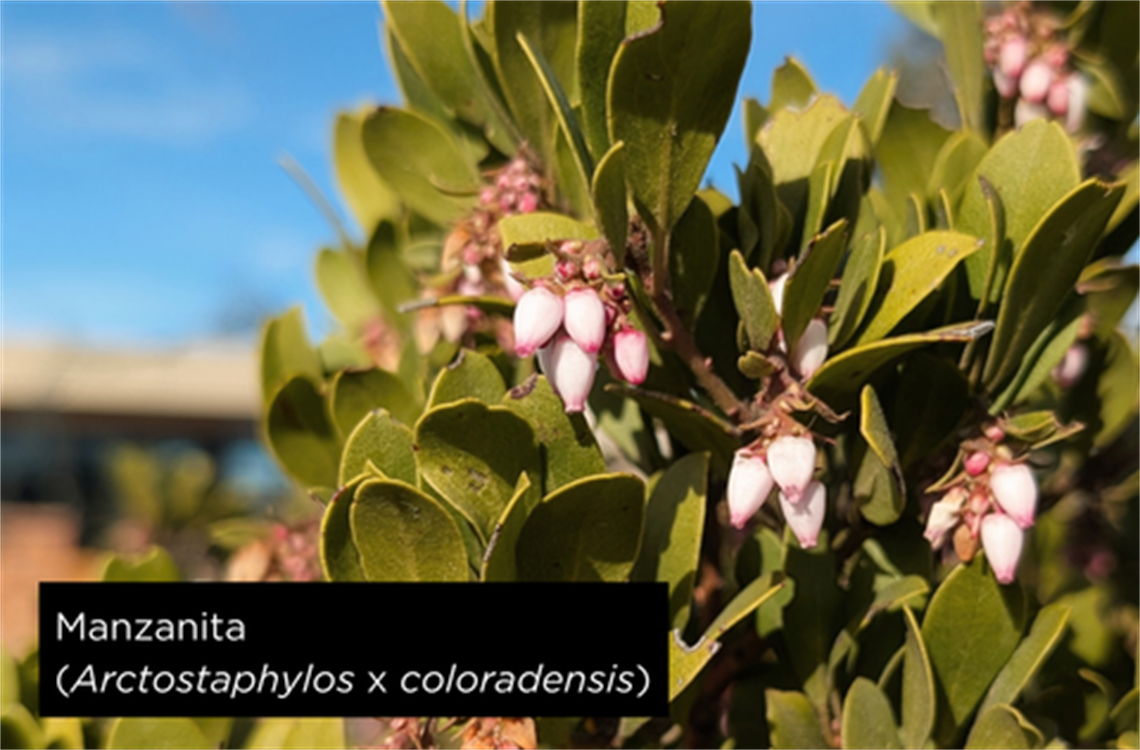
Our first signal at The Gardens that things weren’t right this year was a full flush of blooms on a patch of candytuft (Iberis sempervirens) in the Rock Garden in late December, a staggering five months ahead of schedule. Soon after, we started noticing irregularities all over the grounds. Winter bloomers like winter-flowering heath (Erica carnea) and manzanita (Arctostaphylos spp., x, and cvs.) in the Undaunted Garden were a little early, but not alarmingly so. More concerning was a stand of native creeping grape holly (Berberis (Mahonia) repens) in the Foothills Garden that was breaking bud and pushing dozens of sunny yellow blooms four months early. Those have since been frozen off by subzero nights that arrived in late January.

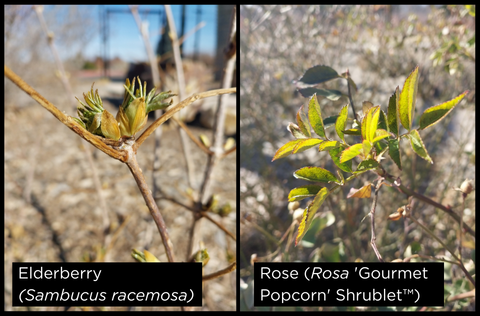
It started looking like spring in the Children’s Garden and Fragrance Garden soon after, with many shrubs defying the season. While butterfly bushes (Buddlejax and sp.) typically don’t go fully dormant on our grounds, the size of the leaves they had put out was still astonishing. Some roses, especially cultivated varieties, still have fully green leaflets and are pushing new growth, notably Iceberg®. Lilacs (Syringia vulgaris), elderberries (Sambucus racemosa), and potentillas (Dasiphora fruticosa) across the grounds have green or swollen flower buds. Spring bulbs like Narcissus and Camassia have also been waking up and poking their fleshy heads up only to be nibbled off by hungry rabbits.
While the phenology is concerning, there are actions that we’re taking to ensure our collection’s health, and you can easily practice them in your home gardens too. Increasing the scope and frequency of our winter watering regimen is key to combatting the abnormally warm and dry winter. Without reliable precipitation from the sky, we’ve been stepping in with caravans of water buckets to make sure the silly shrubs and addled perennials stay hydrated.
As February actually starts to feel like February, we’re bound to experience some dieback with the forecasted cold snaps, but we can soften the impact by applying mulch around woody plants (trees and shrubs) that lack another soil covering. This helps to insulate their roots, keeping them cooler and more dormant, and also serves to help retain what soil moisture is available. Be sure to keep up with winter watering too, at least once monthly. Similarly, if not done already, young and recently transplanted trees will benefit from a good wrapping with a tree wrap, like horticultural crepe paper, available at most nurseries. This helps to prevent rapid and repeated freeze/thaw cycles of the trunk that can cause an injury called sunscald. Most hardy plants that are well-cared for should weather the conditions with only minor dieback—those that are marginally hardy, drought stressed, or struggling in another manner will be more susceptible to major issues.
This winter has been a strange one for sure and it may not be our last one with unusual temperatures. While we can’t control the weather, we sure can control our response to it. As time goes on, we may begin to introduce plants hardy to zones 6 and 7 to our gardens, but right now, keep the rootzones of susceptible plants watered and sheltered and hope for a more seasonal winter next year!